
Coiling and Aneurysm Treatment in Bangalore: Everything You Need to Know

Coiling and Aneurysm Treatment in Bangalore: Everything You Need to Know
A brain aneurysm is one such neurological condition that can sit silently for years without causing any symptoms or giving warning signs. This makes it difficult to detect this condition until it becomes a medical emergency. But on a serious note, when an aneurysm ruptures, it can lead to bleeding in the brain, stroke, permanent neurological damage, or even become life-threatening.
But the good news is that when we are able to detect a brain aneurysm, surgery is not the only option to treat it. The advancements in neurointerventional procedures have made it possible to treat many aneurysms with minimally invasive procedures. One such effective treatment option is endovascular coiling.
Let’s understand what this procedure is, how it works, and when it is recommended in a simple and easy-to-understand way.
What is a brain aneurysm?
A brain aneurysm is a weakened or bulging area in the wall of a blood vessel in the brain. Over time, as the blood flows through the artery, the pressure can cause the weak spot to bulge outwards like a balloon. While some aneurysms remain stable for years, others may enlarge or rupture due to constant high pressure. This triggers bleeding inside the brain and leads to a serious medical emergency that needs immediate treatment.
Most aneurysms cause no symptoms and are found by accident during scans performed for unrelated health concerns. Sometimes, it also gets diagnosed after the appearance of certain symptoms, such as a sudden or severe headache, blurred or double vision, pain around the eye, drooping eyelid, weakness or numbness on one side of the body, or loss of consciousness in the event of rupture.
What Is Endovascular Coiling?
Endovascular coiling is an effective, minimally invasive treatment for brain aneurysms. Unlike traditional treatment like surgical clipping, where we, neurosurgeons, would open the skull and place a tiny metal clip at the base of the aneurysm to cut off its blood supply. It works, but it’s a major surgery with a longer recovery.
Wherein, endovascular coiling takes a different route. Here, we insert a thin catheter through an artery in the wrist or groin and carefully guide it to the aneurysm using real-time imaging. Once the catheter reaches the aneurysm, tiny platinum coils are released inside the bulge. These coils block the aneurysm and gradually promote blood clotting in the bulged region. This way, we encourage no more pressure on the weak walls and significantly reduce the risk of rupture.
Who Is Suitable for Coiling?
Even though coiling is a highly effective treatment option for an aneurysm, we can not recommend this to everyone. The treatment approach depends on several factors, such as:
- The size and location of the aneurysm
- The shape of the aneurysm
- Whether it has already ruptured or not
- The patient's age and overall health
- Risk of future rupture
Only after evaluating all these factors and carefully examining the detailed brain imaging, we suggest that coiling is the most effective plan for the patient.
Benefits of Coiling for Brain Aneurysms
Compared to open brain surgery, endovascular coiling offers several advantages for suitable patients
- It is a minimally invasive procedure. No cuts or stitches involved.
- This treatment does not include a large surgical incision.
- The recovery is relatively quick with a reduced hospital stay.
- Lower risk of complications in appropriately selected cases.
What to Expect During Recovery
Recovery from endovascular coiling is generally much gentler. Most patients spend a day or two in the hospital for observation, and then they can return home. Mild fatigue or a headache in the days after is common, but serious complications are rare in experienced hands.
During recovery, patients are advised to:
- Take prescribed medications regularly
- Avoid high-intensity activities until cleared by the doctor
- Attend follow-up imaging appointments
- Manage blood pressure and other vascular risk factors
- Stop smoking and adopt a heart-healthy lifestyle
Bottom line
Brain aneurysms sound frightening, and understandably so. But minimally invasive coiling has genuinely transformed outcomes. If you are considering coiling and aneurysm treatment in Bangalore, consult us to receive personalised care based on your condition. Early intervention not only improves outcomes but also provides peace of mind for you and your family
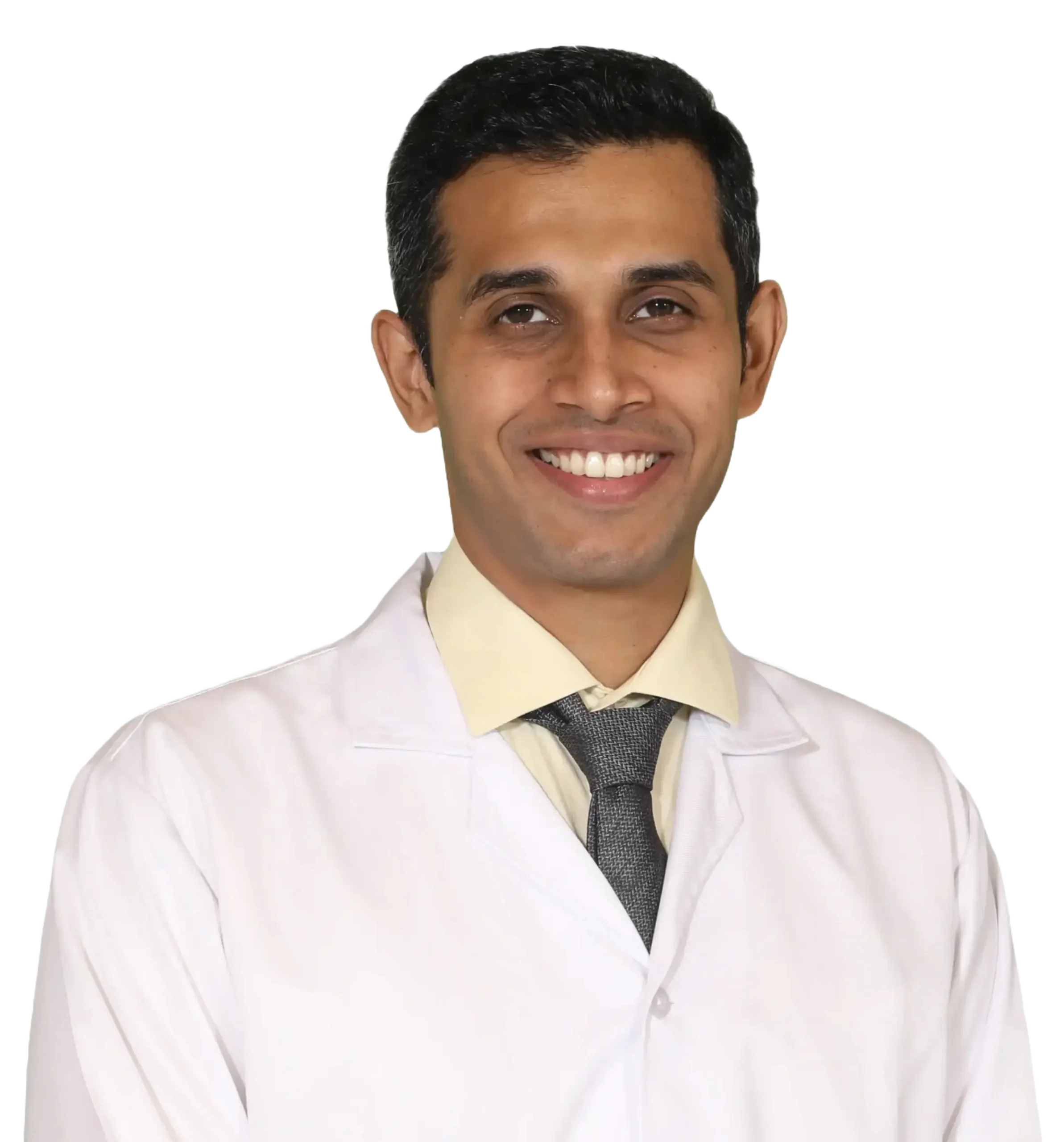
Authored by Dr. Safal Sachidananda Shetty, an Interventional Neurologist & Stroke Expert in Bangalore with extensive clinical experience in stroke intervention, brain aneurysms, and complex neurovascular disorders. His mission is to educate, prevent, and provide advanced neurologic care using the latest medical innovations and minimally invasive procedures.