
What Happens When a Person Has a Stroke? Step-by-Step Breakdown
What Happens When a Person has a Stroke? A Step-by-Step Breakdown
We often hear about stroke. But do you know what happens inside the body when a stroke hits? Stroke occurs as a sudden event, but a cascade of biological processes unfolds in the body within minutes. By being aware of the step-by-step process, you can recognise the stroke signs as early as possible and prepare yourself to act quickly in saving a life. Let’s walk through this in the simplest way possible.
First few seconds: the blood flow to the brain gets cut off
A stroke begins when the blood flow to a part of the brain gets interrupted suddenly. This can happen in two ways.
- A blood clot blocks an artery – Ischemic stroke
- Blood vessel bursts and causes bleeding inside the brain – Hemorrhagic stroke
Know more about Ischemic and hemorrhagic stroke here –
Next 1-5 minutes: the brain cells start running out of oxygen
The brain cells are incredibly demanding. They require a constant supply of oxygen and can’t survive for more than a few minutes without it. The moment the blood stops flowing to the brain cells, they begin malfunctioning and start dying. This is the beginning of the disaster that is yet to unfold.
Within a few minutes of blood flow interruption(or even a few seconds for that matter), the affected brain cells can’t produce energy anymore and start sending out distress signals.
The person suddenly feels numb, confused, numb, dizzy, or experiences the classic stroke symptom, which is that one side of their body is not responding properly. Additionally, they might have trouble speaking or understanding speech, and their vision could blur or go dark. And in case of a hemorrhagic stroke, the person experiences an uncontrollable severe headache that comes out of nowhere.
Next 5-30 minutes: the damage continues and spreads
In case of a stroke, time is both your friend and foe. If you catch the warning signs early and act quickly to get medical help, you can most likely avoid long-term complications. If not, the damage progresses to cause complete paralysis on one side.
When the body encounters an unknown event, its defence system jumps in to protect itself. The same happens when a stroke occurs. The body’s proactive mechanism gets activated to slow down activity, reroute blood flow when possible, and use up whatever tiny amount of oxygen is left. Isn’t it fascinating how resilient a body is? Right.
But without a proper oxygen supply, the brain can do and survive a little much. within 4.5 hours after stroke occurs is the window period. Getting immediate medical help during this time is the only way to save the affected person from irreversible damage.
Stroke is a serious medical condition that demands quick action. Every passing minute increases the risk of permanent damage. In simple words, the brain needs a continuous oxygen supply. When that supply gets cut off, brain cells start dying. A quick treatment makes or breaks the recovery.
When it comes to stroke, understanding these steps helps you stay alert and act fast.
FAQ
What exactly happens during a stroke?
A stroke happens when the brain stops getting enough blood due to a blockage or a burst blood vessel. Without blood, brain cells start dying within minutes. This leads to sudden symptoms like weakness, slurred speech, confusion, or facial drooping.
What causes a stroke in the first place?
A stroke usually happens because of one of two reasons:
- A blood clot blocks an artery – Ischemic stroke
- Blood vessel bursts and causes bleeding inside the brain – Hemorrhagic stroke
What are the first warning signs I should look out for?
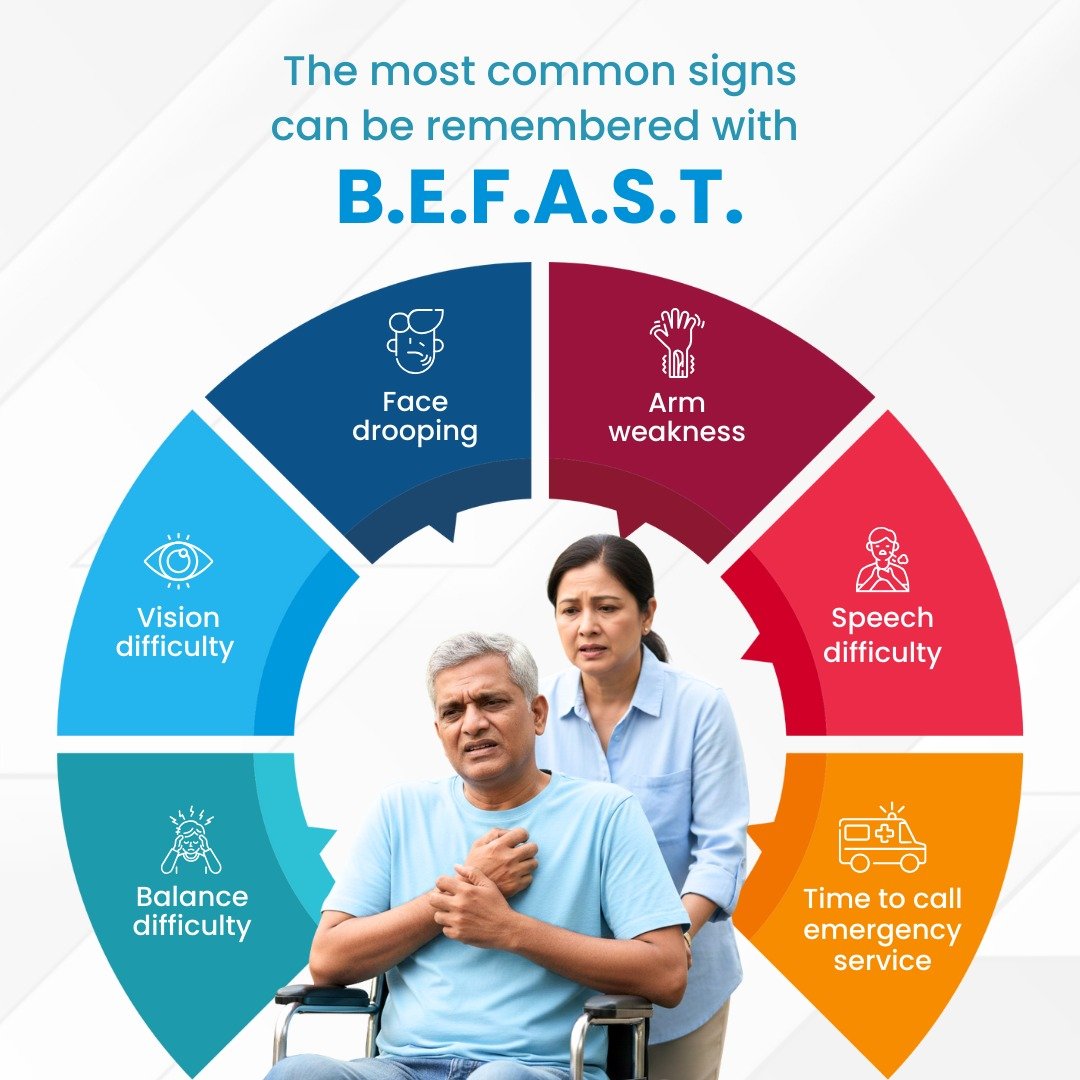
The most common signs can be remembered with B.E.F.A.S.T.
- Balance difficulty
- Vision difficulty
- Face drooping
- Arm weakness
- Speech difficulty
- Time to call the emergency service
Sudden dizziness, numbness on one side, vision changes, or confusion can also signal a stroke.
Can a person recover completely after a stroke?
Yes. Many people do recover, especially if treatment begins early. Recovery depends on the type of stroke, the amount of damage, and how quickly help is received. Rehabilitation, like physiotherapy, speech therapy, and occupational therapy plays a big role.
How can strokes be prevented?
Many strokes can be prevented by managing everyday health habits. Keeping blood pressure, sugar levels, and cholesterol under control, staying active, avoiding smoking, maintaining a healthy weight, and going for regular health check-ups significantly lower the risk. For people with a family history or medical conditions, following the doctor’s advice and taking prescribed medicines on time also helps.
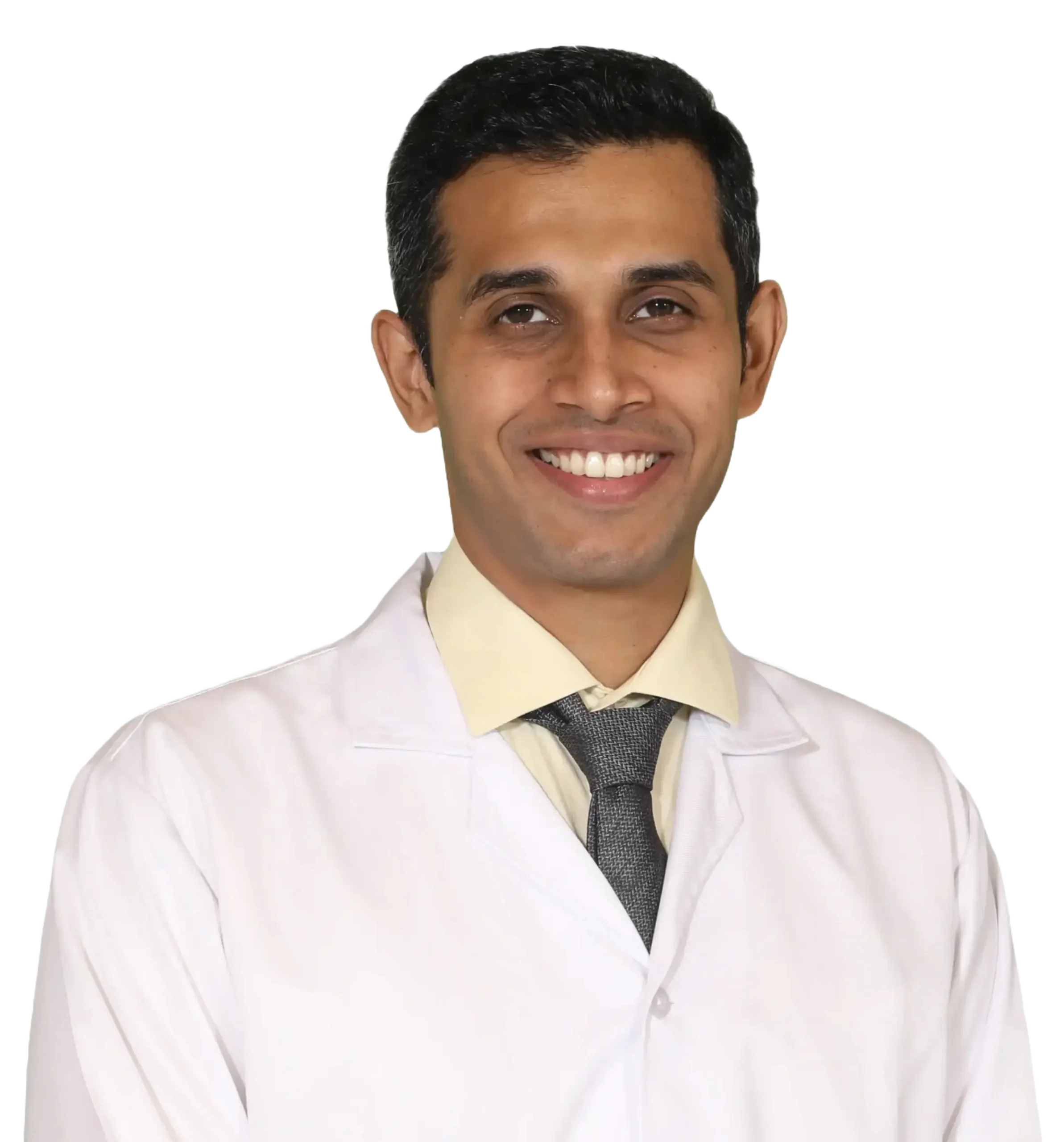
Authored by Dr. Safal Sachidananda Shetty, an Interventional Neurologist & Stroke Expert in Bangalore with extensive clinical experience in stroke intervention, brain aneurysms, and complex neurovascular disorders. His mission is to educate, prevent, and provide advanced neurologic care using the latest medical innovations and minimally invasive procedures.