
Early Warning Signs of a Stroke You Should Never Ignore
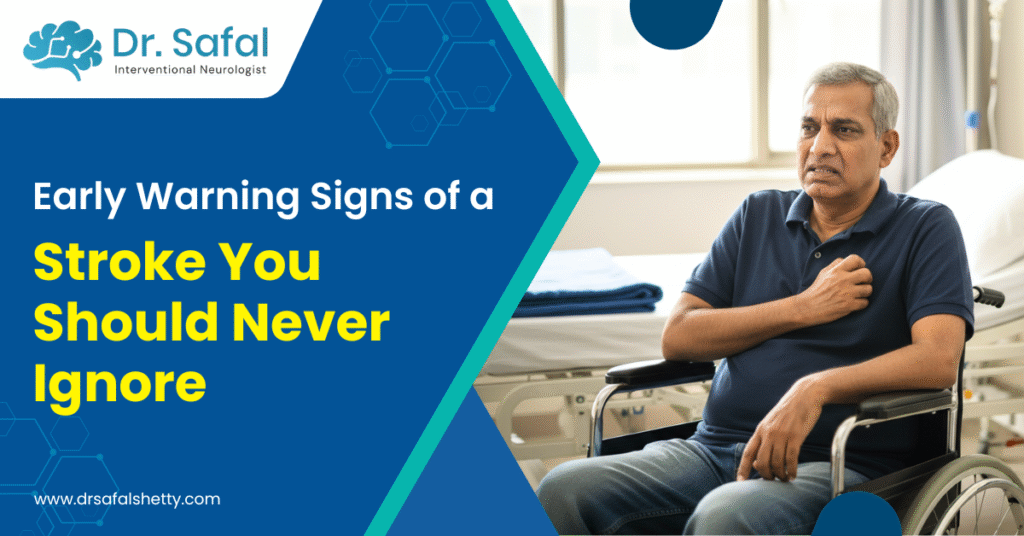
Early Warning Signs of a Stroke You Should Never Ignore
According to global health statistics, every year, nearly 12 million people experience a stroke across the world. That’s a staggering and alarming number. In India, this number is steadily increasing and making stroke one of the leading causes of disability and death. Despite this, many of these cases could be prevented if people recognised the warning stroke symptoms and treated them early.
Many people assume that a stroke is something that happens suddenly, without any clues. But in reality, the body does give some signals. Recognising these signals and acting quickly significantly improves recovery outcomes. For this reason, early stroke detection matters the most.
Regardless of your age, gender or health background, being aware of some of these early warning signs prevents permanent damage and impacts families.
The Most Common Stroke Symptoms You Should Know
Stroke is a true medical emergency condition. It occurs when the blood supply to a part of the brain is interrupted either by a blockage or a burst blood vessel. This prevents brain tissues from getting oxygen and nutrients, and the cells begin to die within minutes. Luckily, with immediate medical attention, there is a high chance of preventing severe damage.
Usually, the stroke symptoms occur suddenly. Many people brush off the early stroke symptoms, thinking they are trivial and will resolve on their own. But in case of a stroke, a few minutes of delay is very dangerous.
Medical professionals worldwide recommend the F.A.S.T. test as a simple way to identify stroke symptoms.
- Face drooping: One side of the face suddenly feels numb or droop. When you ask the person to smile, and if the smile line appears uneven or one side looks pulled down, then it could be a warning sign.
- Arm weakness: If the person is experiencing weakness in the arms and is unable to lift one or both arms, take this sign seriously. When you ask the person to lift their arms, they might drift downwards.
- Speech difficulty: Slurred speech, trouble speaking simple phrases or difficulty in understanding a person’s speech are strong indicators of stroke.
- Time: If you observe any of these signs, contact emergency service immediately. Time is the critical element in stroke treatment.
The 2025 “World Stroke Day”, as observed on October 29, carries the motto ‘Every minute counts’, emphasising the importance of that life-saving time. The sooner you act, the better the chances of preventing severe damage.
Additional Warning Signs You Should Not Overlook
The above F.A.S.T. symptoms cover the basics. But in some cases, when the stroke is about to hit, it makes its own way with unusual symptoms. And the worst part is, we often overlook these early stroke symptoms as attributes of stress or tiredness.
So, going forward, watch out for these warning signs for early stroke detection and prepare yourself to take the required action.
Sudden intense headache: When a person experiences a severe headache with no known cause, it could indicate a hemorrhagic stroke. The intensity of this headache is very different from typical headaches and occurs unexpectedly, accompanied by unbearable pain. Some people describe this as the worst headache of their lives.
Vision problem: Sudden vision loss, blackened vision in one or both eyes or seeing double are some of the serious warning signs of stroke. Many people often dismiss these signs, mistaking them for temporary eye strain that will fade in a day or two. However, these might be early stroke symptoms demanding your immediate attention.
Sudden numbness and difficulty in walking: If a person suddenly stumbles, loses balance, or has trouble walking without an apparent cause, especially on one side, then this might be the indication your body is signalling to get early stroke detection.
Sudden numbness or weakness: Major stroke affecting parts like the face, arm or leg, especially on one side of the body, can go to sudden numbness or weakness. This weakness typically occurs suddenly and is more pronounced on one side of the body.
With stroke, every minute counts. Ignoring the above symptoms or waiting “to see if things improve” can be dangerous. The sooner treatment begins, the greater the chance of minimising long-term damage.
If you have a personal risk profile and want guidance on stroke prevention Bangalore, consult a nearby doctor and take proactive steps toward better health. Your awareness today could make all the difference tomorrow.
Most Common Stroke Symptoms FAQ:
What is the recovery process after a stroke?
Recovery from the stroke majorly depends on the severity and how early the stroke-affected person received medical treatment. Many people regain strength and abilities through rehabilitation, including physical therapy, speech therapy, and lifestyle adjustments.
Can young people have strokes too?
Yes. Even though stroke is more common among older people, young people are not exempt from stroke. Due to increased risk factors like high stress, unhealthy diet, smoking and sedentary lifestyle, younger people are getting more prone to stroke these days.
How can stroke be prevented?
You can minimise the risk of getting a stroke through simple lifestyle changes. Like, maintaining a healthy cholesterol level and blood pressure, eating a balanced diet, exercising regularly, avoiding smoking, limiting alcohol consumption and most importantly by being stress-free.
What are the early warning signs of a stroke?
Common stroke symptoms include sudden numbness or weakness in the face, arm, or leg (especially on one side), slurred speech, confusion, difficulty understanding others, blurred vision, dizziness, loss of balance, or a severe headache with no known cause.
Can a person fully recover from a stroke?
Recovery significantly depends on the stroke’s severity, how quickly treatment was received, and individual factors. With proper treatment and rehabilitation, some people recover completely, while others may have lasting effects.
Authored by Dr. Safal Sachidananda Shetty, an Interventional Neurologist & Stroke Expert in Bangalore with extensive clinical experience in stroke intervention, brain aneurysms, and complex neurovascular disorders. His mission is to educate and prevent stroke and provide advanced neurologic care using the latest medical innovations and minimally invasive procedures.