
Causes of Headache in Daily Life

Causes of Headache in Daily Life
Headaches are one of the most common symptoms I see in my clinic as a neurologist. Almost everyone experiences them at some point, but what many people don’t realise is that not all headaches are the same. Some are harmless and related to daily habits, while others may point to underlying medical conditions that need attention.
Let me walk you through the types of headaches I see most often, what they indicate and when you should be worried.
Part 1: Primary headaches: the common ones
These are headaches that are a condition in themselves and are not caused by any disease. They are not dangerous, yet they can be quite uncomfortable.
1: Migraine
Let’s start with the elephant in the room. Migraines are one of the most frequently reported headaches, and they are far more than “a bad headache”. A typical migraine comes as a moderate-to-severe, throbbing or pulsating pain, usually on one side of the head. They are often accompanied by nausea, vomiting, and an intense sensitivity to light or sound. Some people also experience visual symptoms, such as flashes of light, before the headache begins. This type of migraine attack can last anywhere from 4 hours to 3 days.
So what’s the cause of this? The major migraine triggers include hormonal fluctuations, disrupted sleep, skipped meals, alcohol, strong sensory stimuli, stress, and certain foods. Every individual has different triggers, and identifying them is one of the most empowering things a migraine patient can do for better care of their migraine.
2.Tension-type headache
This is the most prevalent type of headache worldwide. It usually feels like a tight band around the head or a constant dull ache. It is typically bilateral (which means pain on both sides), and the intensity will be mild to moderate.
Unlike migraine, it is not associated with nausea or severe sensitivity to light or smell. This type of tension headache is often linked to stress, long working hours, prolonged screen time, poor posture, or muscle tension in the neck and shoulders.
3.Headache Secondary to Sinusitis
Sinus headaches happen due to swelling and fluid buildup in the cavities sitting just behind your nose and forehead. The pain is usually felt around the forehead, cheeks, or eyes and is characteristically worsened by leaning forward or bending down.
It is usually accompanied by nasal congestion, a feeling of facial fullness, and sometimes fever or a nasal discharge. And these are the underlying signs of inflammation or infection in the sinus cavities.
4. Cervicogenic Headache
Cervicogenic headaches originate from issues in the neck, such as muscle strain or cervical spine problems. It is a diagnosis that requires careful clinical assessment.
The pain often starts in the neck or the back of the head and radiates forward, often to the forehead or behind the eye. Poor posture, prolonged screen use, or improper sleeping positions are the common contributing factors for Cervicogenic headache.
We primarily address this by advising to correct the sitting/sleeping posture, and if the pain is stubborn, we later consider physiotherapy or other treatment options.
5. Cluster Headache
Cluster headaches are one of the most severe forms of primary headaches, although they are relatively less common. Patients often describe the pain as sharp, burning, or piercing, usually centred around or behind one eye. What makes this type unique is its intensity and pattern. It is strictly one-sided and can be extremely distressing.
These headaches occur in “clusters,” meaning they appear repeatedly over a period of weeks or months, followed by phases where they completely disappear. During a cluster period, a person may experience multiple episodes in a single day, often at the same time each day, sometimes even waking them from sleep.
Cluster headaches are also associated with symptoms on the same side as the pain, such as redness of the eye, excessive tearing, nasal congestion, or drooping of the eyelid. Unlike migraines, where patients prefer rest, individuals with cluster headaches are usually restless and unable to sit still due to the severity of the pain.
Although the exact cause is not fully understood, this type of headache is believed to be linked to the part of the brain that controls our biological clock. Given its intensity and recurring nature, it is important to seek medical attention, as specific treatments are available to manage and reduce these episodes.
Part 2: Secondary headaches: That should never be ignored
Now comes the serious part. Unlike primary headaches, secondary headaches are caused by an underlying condition. While not all of them are serious, some may indicate potentially life-threatening issues and should never be ignored.
When a patient describes something that doesn’t fit a familiar pattern, it makes me worry. Like a sudden, severe headache, headaches associated with vomiting, vision changes, confusion, weakness, or seizures.
Some important causes of secondary headaches include:
- Brain tumours, which can cause persistent, progressively worsening headaches
- Intracranial haemorrhage (bleeding in the brain), which presents as a sudden and severe headache
- Cerebral venous thrombosis, a condition where blood clots form in the brain’s veins
- Raised intracranial pressure, which may lead to headaches that are worse in the morning or when lying down
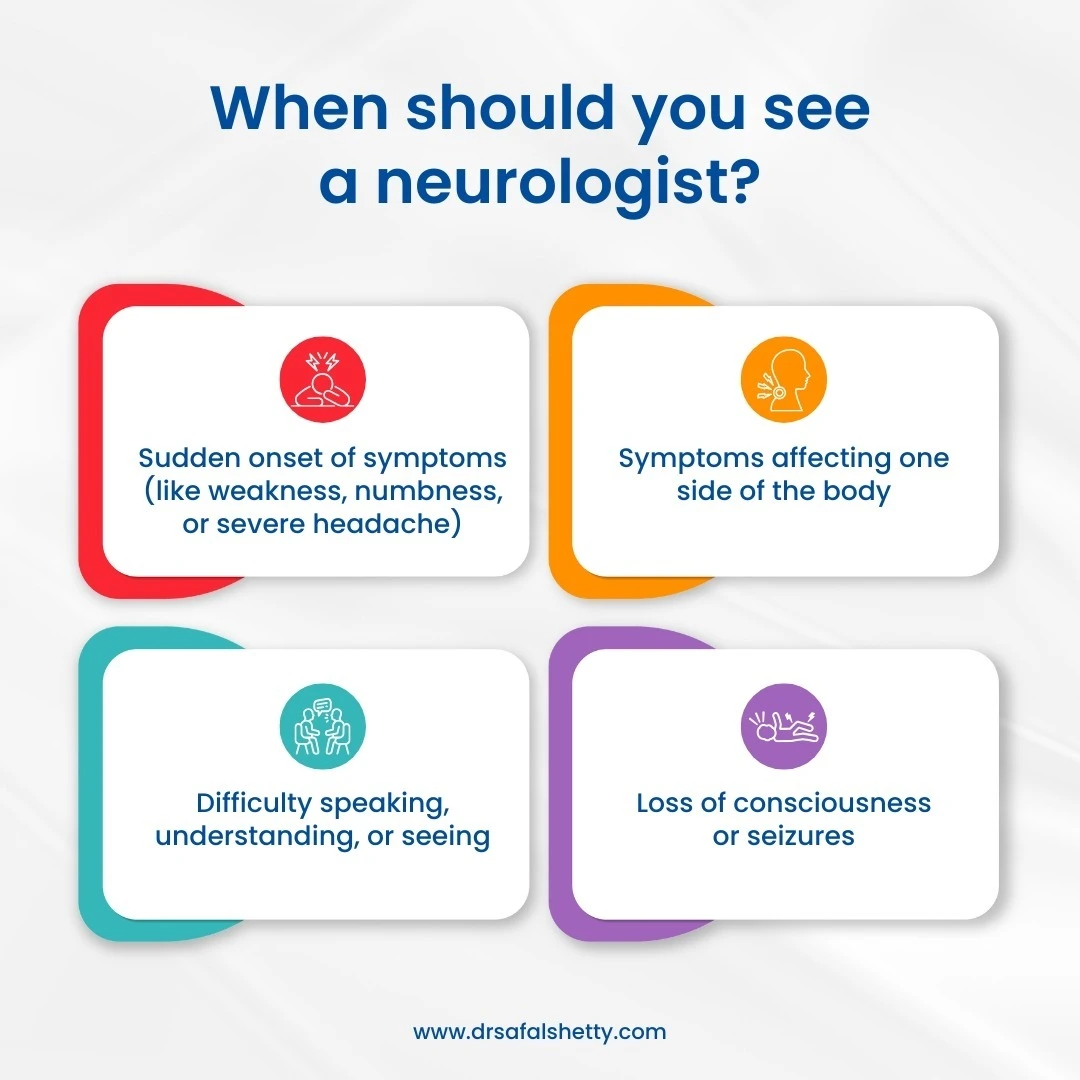
These conditions require immediate medical evaluation and should not be managed at home with a medical-bought painkiller.
Headache Secondary to Hypertension
This is a bit of a tricky one. Hypertension or high blood pressure does not commonly cause headaches at mildly or moderately elevated levels. But when the blood pressure rises to a severely high level (typically above 180/120 mmHg – we call it hypertensive crisis), it can lead to headache.
We can clinically distinguish the nature of this type of headache. This headache usually happens at the back of the head and is often present as the first thing in the morning. It can also be throbbing and may be accompanied by visual changes or a general sense of unwellness.
So, if any of you already have high blood pressure readings and are experiencing frequent headaches, it is important to address this immediately.
Headache Secondary to Obstructive Sleep Apnea (OSA)
This is one of the underdiagnosed causes of morning headaches that I encounter in my practice. Patients with Obstructive Sleep Apnea (OSA) usually have interrupted breathing during sleep, which reduces oxygen levels and affects sleep quality. Because of this, they experience a 30-minute to an hour of headache after waking up.
Characteristically, they happen on both sides of the head, and the pain is usually described as a dull, pressure-like sensation. Snoring, daytime sleepiness, and fatigue are some of the commonly associated symptoms.
Bottom line
I’ve covered a lot about headaches here. My only intention here is to inform you and alarm you about any possible risks. From everyday migraine to a life-threatening haemorrhage, headaches are your body’s way of signalling that something may not be right. The key is not to ignore them, especially when they are persistent or unusual.

Authored by Dr. Safal Sachidananda Shetty, an Interventional Neurologist & Stroke Expert in Bangalore with extensive clinical experience in stroke intervention, brain aneurysms, and complex neurovascular disorders. His mission is to educate, prevent, and provide advanced neurologic care using the latest medical innovations and minimally invasive procedures.